

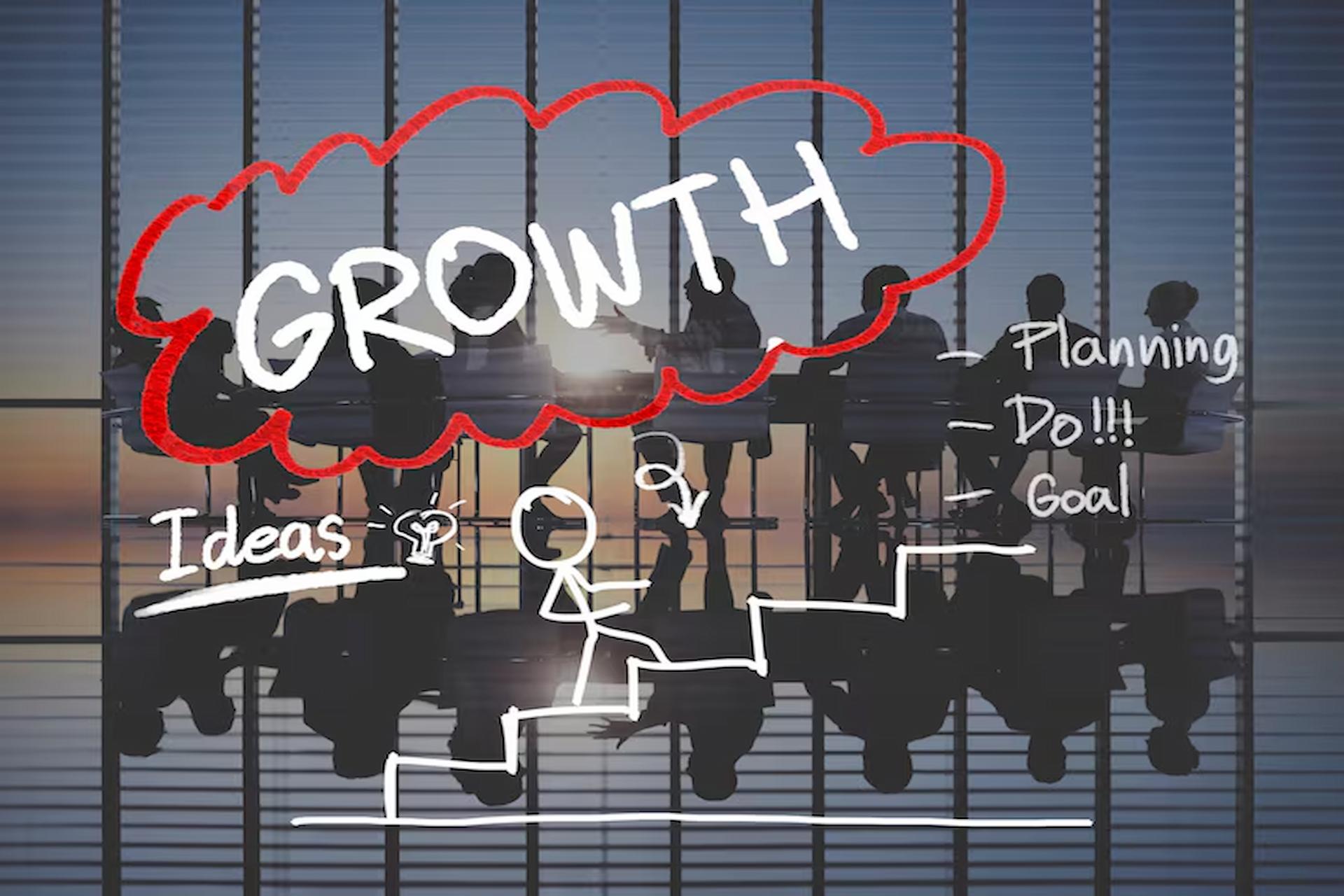
Driving growth in today’s fast-changing world requires more than ambition—it demands strategy, creativity, and technology working together. Companies that balance data-driven planning with bold ideas and innovative tools position themselves ahead of competitors. This guide explores how to combine structured strategy, imaginative thinking, and digital innovation to unlock sustainable growth. From customer insights to automation, learn how businesses can transform challenges into opportunities and thrive in an increasingly competitive landscape.
Growth is the ultimate goal of every business. Yet achieving it consistently requires more than a good product or a large budget. Modern markets are crowded, digital-first, and constantly shifting. To succeed, organisations must build strong foundations, think differently, and embrace innovation. That’s where strategy, creativity, and technology converge. When combined, these three pillars create a powerful formula for sustainable expansion.
Why Growth Needs a Strategic Foundation
A clear strategy gives businesses direction. Without it, even the most creative campaigns or advanced technologies can fail. Strategy defines the what, why, and how of growth. It sets measurable goals, aligns teams, and provides a roadmap for decision-making.
A strong strategy focuses on three areas:
- Market understanding: Knowing customer needs and competitor behaviour.
- Resource allocation: Ensuring budgets, people, and tools are used wisely.
- Performance tracking: Measuring results and adapting when necessary.
When strategy is prioritised, creativity and technology work within a framework that delivers consistent results.
Creativity as a Competitive Advantage
While strategy provides direction, creativity adds differentiation. It is what turns an ordinary message into one that captures attention and sparks engagement. In a digital world where consumers are bombarded with content, creative ideas stand out.
Creativity drives growth by:
- Building memorable brand stories.
- Inspiring emotional connections with customers.
- Presenting complex solutions in simple, relatable ways.
Whether it’s a striking campaign, an interactive website, or innovative product design, creativity transforms strategy into experiences that customers remember and share.
The Transformative Power of Technology
Technology enables businesses to move faster, smarter, and more efficiently. From automation tools to data analytics and AI, it offers ways to scale without proportionally increasing costs. Significantly, technology bridges the gap between strategy and creativity by turning ideas into measurable actions.
Key areas where technology fuels growth include:
- Data analytics: Unlocking customer insights and predicting behaviour.
- Automation: Streamlining repetitive tasks for greater efficiency.
- Artificial intelligence: Personalising customer experiences in real time.
- Collaboration tools: Supporting remote and hybrid teams effectively.
By integrating these tools, businesses gain agility and the ability to adapt quickly to changing conditions.
Balancing the Three Pillars
Growth does not come from focusing on one area alone. A business with a strong strategy but no creativity may appear rigid and uninspiring. One with creativity but no strategic focus risks inconsistent results. And without technology, even the best ideas can struggle to scale.
Balance is key:
- Strategy ensures direction.
- Creativity provides differentiation.
- Technology powers execution.
Together, they create a cycle of continuous improvement where data informs ideas, creativity inspires innovation, and technology drives efficiency.
Challenges Businesses Face
Driving growth is not without obstacles. Some common challenges include:
- Relying too heavily on technology without a human touch.
- Struggling to adapt outdated strategies to new realities.
- There is a tendency to underestimate the importance of creativity in competitive markets.
Overcoming these challenges requires leaders to stay flexible, invest in training, and foster a culture that values both data and imagination.
Building a Growth-Driven Culture
Sustainable growth depends on people as much as on tools or ideas. Organisations should focus on building a culture that supports innovation, collaboration, and continuous learning. Encouraging employees to experiment, share insights, and adopt new technologies ensures long-term success.
Practical steps to create such a culture include:
- Rewarding creativity and problem-solving.
- Providing access to modern digital tools.
- Encouraging cross-department collaboration.
- Embedding learning and development into daily work.
When people feel empowered, they drive growth forward.
The Future of Growth: Strategy, Creativity & Technology
Looking ahead, businesses that master the balance between structured planning, creative thinking, and digital innovation will lead their industries. Trends such as artificial intelligence, immersive digital experiences, and data-driven personalisation will continue to redefine customer expectations. But these advancements will only deliver results when backed by a strong strategy and human creativity.
The future is not about choosing one pillar over the other—it’s about integration. Those who succeed will be the ones who see growth as a holistic journey, not a single tactic.
Conclusion
Growth is not accidental—it is engineered through the deliberate combination of strategy, creativity, and technology. A solid strategy lays the foundation. Creativity breathes life into ideas, ensuring they resonate with people. Technology then scales and amplifies these efforts, making growth efficient and measurable. Businesses that align these elements can thrive in competitive markets, turn challenges into opportunities, and secure long-term success. The real power lies not in each part alone, but in their synergy.